Sida interns Agnes Tingström and Beata Söderberg interviewed representatives from Sida, the Swedish Environmental Protection Agency and the Armenian organisation FemForward about why women’s knowledge and influence are important for protecting nature and people’s livelihoods.
From local experiences to global decisions
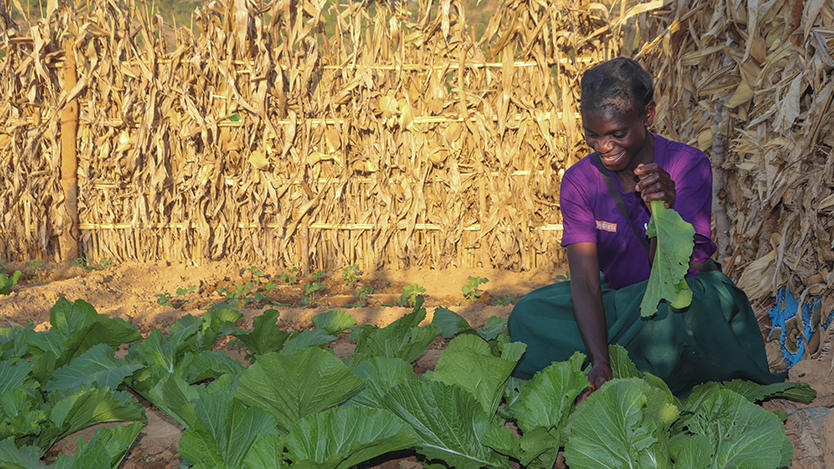
In many parts of the world, women depend on natural resources for their livelihoods and health. They work in agriculture, forestry and collecting products from nature. Women also have valuable knowledge of how to use natural resources sustainably, often passed down through generations.
When harvests decline or access to natural resources decreases, it can become more difficult for women to earn a living and achieve economic independence.
– Sida works with the UN and environmental organizations, among others, focusing on women’s leadership and economic empowerment in sectors that are directly dependent on biodiversity and ecosystem services, says Titta Lassila, Sida's thematic expert on environment and climate.
The Armenian civil society organisation FemForward works on environmental issues and how climate change affects women. The organisation collaborates with Kvinna till Kvinna, which receives support from Sida.
– Gender equality in biodiversity is not just about protecting women from environmental changes. It’s about recognizing their rights, knowledge, and decision-making power over natural resources that affect their security, economic independence, and quality of life, says Irina Hovhannisyan, co-founder of FemForward.
What did countries aim to achieve at COP17?
At COP17 in Armenia, countries discussed how to protect biodiversity and follow up on previous decisions. One important issue was how to strengthen women’s influence in this work.
Malte Timpte of the Swedish Environmental Protection Agency emphasised the importance of building on the progress already made.
– We must not take a step backward; it’s important to maintain our ambition,he said.
But the work did not end when the conference was over. Countries still need to follow up on how decisions are implemented and continue to address gender equality. This is an important issue for the EU, which also wants to strengthen the links between biodiversity conservation and climate action.
How Sweden and Sida’s partners contributed
COP17 was a meeting of the highest decision-making body under the UN Convention on Biological Diversity. At the conference, countries negotiated how to protect nature and use its resources sustainably.
Sweden participated in the negotiations as part of the EU. Sida works to integrate gender equality into development cooperation and supports organisations that strengthen women’s rights and influence.
During the conference, organisations such as FemForward brought women’s experiences and knowledge into discussions and panel sessions. In this way, experiences from local communities helped inform international discussions on biodiversity conservation.
Read more: How Sida contributed to COP17 on biodiversity: